顯示具有 中華民國 標籤的文章。 顯示所有文章

2023/07/13

哪有什麼“歲月靜好”?只因為有人負重前行!

哪有什麼 “歲月靜好”,只因為有人負重前行!


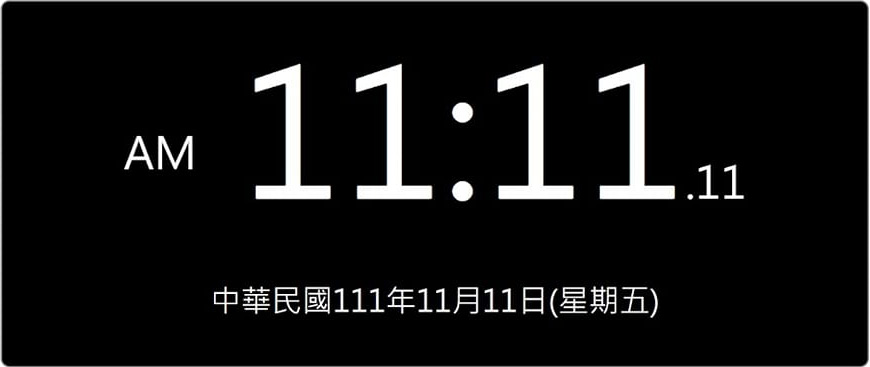
每年 11月11日是 #國殤紀念日

(Remembrance Day)


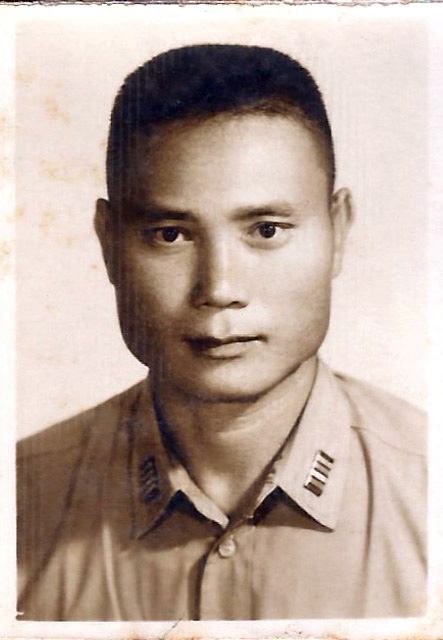
1950年 9月29日 先父於澎湖馬公接受志願役入伍訓練加入中華民國海軍


1961年 1月 1日 先父當選國軍第11屆克難英雄。


1961年 1月 1日 國軍第11屆克難英雄遊行。


1961年 1月 1日 國軍第11屆克難英雄與黎總司令合影。


1970年 1月 1日 先父升任海军上校。


1972年 1月 1日 先父當選 第22屆國軍英雄。


1972年 1月 1日 第22屆國軍英雄與總統合影。


1978年 8月 1日 先父申請退役。


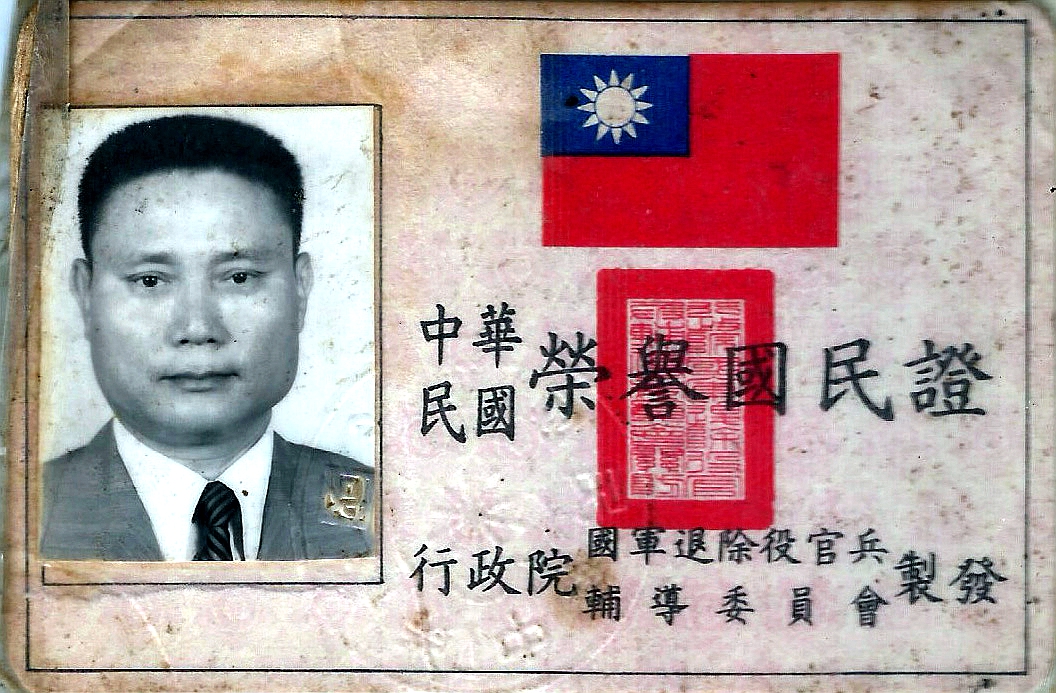
 先父自1950年 9月29日入伍海军志願役服務至:


 榮譽國民證


1978年 8月 1日退役共二十八年。


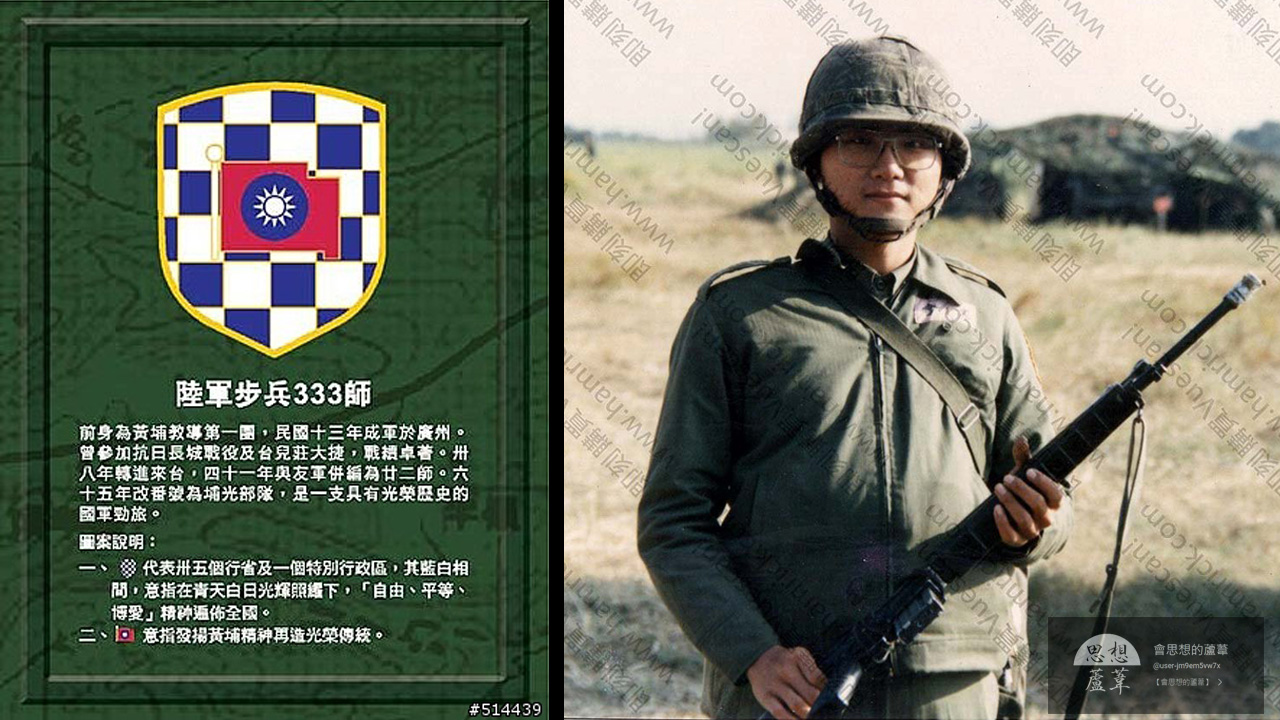
亞瑟於 1986年11月03日入伍陸軍服義務役。


亞瑟於 1988年11月 4日於陸軍 #埔光部隊 兩年退役。


亞瑟父子


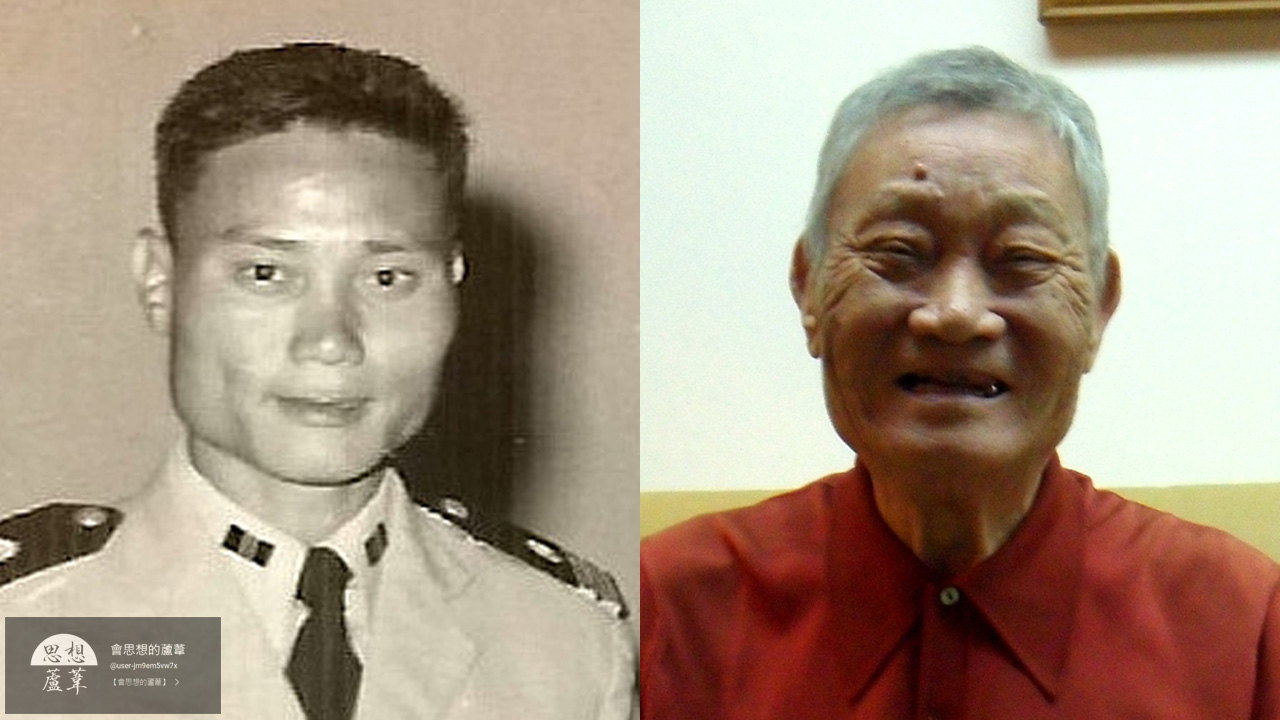
先父青年、老年


因為中華民國有每一位奉公守法的國民負重前行,自由中國》在台、澎金、馬地區延續至今。


2020/09/18

淞滬會戰 中壯烈犧牲的 黃埔軍校 第四期 畢業生 楊傑 將軍

淞滬會戰 中壯烈犧牲的 黃埔軍校 第四期 畢業生 楊傑 將軍

淞滬抗戰中壯烈犧牲的黃埔四期畢業生


楊傑將軍


楊傑(1895—1937.10.11),字子英,河北容城縣人。黃埔軍校第四期畢業,被分配到陸軍第 1師,參加過北伐戰爭。

他作戰勇猛,在歷次戰役中屢建功勳,以戰功逐步擢升為排長、連長、營長、副團長等。

1937年7月,日本帝國主義發動全面侵華戰爭。當時任陸軍第 1師第 1旅少將副旅長兼團長的楊傑立即上書軍事當局請纓上陣殺敵。

8月23日,日本侵略軍在上海寶山登陸,「八一三」淞滬抗戰爆發,中日雙方在上海地區拚死廝殺,楊傑所部奉令扼守西塘橋陣地。

10月10日,日本侵略軍在無數次進攻失敗之後,集中優勢兵力,在密集炮火和飛機轟炸的支援下,再次衝擊楊傑部駐守的西塘橋陣地,戰鬥十分激烈。楊傑親臨陣地指揮,他用「寧為戰死鬼,不作亡國奴」的口號教育部下,鼓勵官兵奮勇殺敵,誓與陣地共存亡。當友軍詢問戰況時,楊傑回答:「尚能支持,不需後援。」

11日,日軍又以猛烈炮火轟擊陣地並發起集團衝鋒,陣地被突破。楊傑率部與日軍混戰在一起,激戰中壯烈犧牲,以身殉國,時年42歲。

... The End

Tag:河北,淞滬會戰,黃埔軍校,黃埔四期,楊傑,將軍,

2010/12/11

Great Ancient Capitals of China - 2

Chinese - 中華民族 - 2
Great Ancient Capitals of China

六朝古都;西安、北京、洛陽、南京。
六大文化古都; 北京、南京、西安、洛陽、杭州、開封。
八大古都; 按定都時間先後,包括西安、洛陽、北京、開封、南京、杭州六大古都,後加上安陽和鄭州。

......................................................................................................................................................

安陽 - Anyang
三皇五帝時代,顓頊帝在安陽境內建都。
夏朝後期為都,時稱西河,今位於安陽市東南。
殷商時期為商相都及殷都。
漢末以後,以鄴城(今安陽市東北18km處)為中心的安陽先後成為後趙、冉魏、前燕、東魏、北齊五個王朝的都城。
不計五帝時期,作為都城的歷史488年。

鄭州 - Zhengzhou
黃帝以此為都,位於今鄭州之新鄭。
夏朝初年為都,即今鄭州之登封、新密。
在商朝時為早、中期的都邑,為亳都、隞都。
東周時期為鄭和韓的都城。
不計黃帝時期,作為都城計381年。

洛陽 - Luoyang
帝嚳、夏、商、西周、東周、西漢(高祖初)、
更始帝、東漢、三國時期魏、西晉、北魏(493年才自大同遷都至此)、
隋、唐、鄭、大燕、後樑、後晉(高祖初)、
後唐均以洛陽作國都,中華民國一度遷都於此。
是我國建都朝代最多、時間最長的古都,保守估算當在1300年以上(見解釋)。
西漢、 新、北周、後晉、後漢、後周、北宋、金八朝又以洛陽為陪都,因此,司馬光說:“欲聞天下興廢事,請君只看洛陽城”。

解釋:洛陽歷史上的情況比較複雜,容易引起誤解。
1。夏、商、周、漢、魏等諸朝都有多次遷都的歷史,這些朝代的都城從歷史縱向上看可能不只一個,洛陽是其中的一個。例如商就先後多次遷都,所以安陽、鄭州、洛陽都自稱是商的都城。再如夏代依次在鄭州、洛陽、開封、安陽立都。
2。 還有的朝代其首都不只一個。出於戰略上和經濟上的需要,一些巨大王朝會設立兩都,例如唐,舉世公認其首都為長安,洛陽之所以稱為其都,是因為唐代統治者定洛陽為其東都並經常居住於此,故有“東都洛陽”之稱。
安史之亂前在影響和地位上和長安幾乎不相上下,都是當時中國的政治、文化、經濟中心。
自唐貞觀之治到開元盛世結束的114年間,皇帝居洛53年,居長安59年。
亂後地位不及長安,僅限於陪都地位,唐末又為唐都3年。西周及隋兩代與唐代情況類似。
作為都城保守估算當歷經在1300年以上。

開封 - Kaifeng
開封,簡稱汴,古稱“汴州”、“東京”、“大樑”。是中國多個重要王朝的首都。
夏時為都,稱 “老丘”,是夏朝歷時最長的都城,計225年。
戰國時期,魏國建都於此,稱“大樑”,冶鐵業發達,十分繁榮。後歷經黃河水患和戰亂,幾乎淪為廢墟,極度衰敗。
五代十國時期國家四分五裂,開封地理條件非常適宜農業經濟發展,作為一統天下的基礎,先後成為後樑、後晉、後漢及後周的國都。
北周大將趙匡胤發動陳橋 兵變代後周稱帝,建立宋朝(北宋),仍以開封為首都,稱為“東京”,終於完成對中國漢民族本部的統一。
北宋時期,開封城市結構突破了唐代長安“坊市”城市 格局的束縛,再次走向繁榮,發展成為當時世界上人口最多最繁華的城市之一。
靖康之難後,北宋滅亡,開封先被大齊定為都城,後又被金朝定為都城。
元末,小明 王龍鳳政權曾以此為都。建都史長達592年。
由夏至明作為都城歷經847年之久。

西安 - Xi'an
西安,不僅是中國四大古都,還是世界四大文明古都。
古稱長安,又曾稱西都、西京、大興城、京兆 城、奉元城等,是中國歷史上影響力最大的城市之一。
先後有西周、秦、西漢、新、更始帝、東漢(獻帝初)、西晉(湣帝)、前趙、前秦、後秦、西魏、北周、 隋、唐等14個王朝在這裏建都達1001年之久。
又曾為赤眉、綠林、大齊(黃巢)、大順(李自成)等農民起義政權的都城,但為時極短。 唐代以後,中國經濟重心南移,再加上對渭河平原的過度開發等生態原因,導致西安所在的這一地區不再作為後續王朝的首都。
作為都城歷經1001年之久。

南京 - Nanjing
南京為東吳、東晉、南朝(宋 、齊、梁、陳四朝)、南唐、明、太平天國、中華民國首都。
· 三國時稱為建鄴,是東吳的首都。 · 西晉避司馬業諱,改名為建康,是東晉的首都。
· 南北朝時期,宋朝、齊朝、梁朝、陳朝皆以此城為都。
南朝四朝首都,加之東吳、東晉首都,所以南京亦稱六朝古都。
· 六朝以後為南唐國都。 · 朱元璋推翻元朝建立明朝後,南京為大明的首都。
· 後明成祖遷都北京,南京亦為南都。
· 太平天國時期改為天京,為太平天國都。
· 孫中山領導辛亥革命推翻清朝後建立中華民國(ROC),南京被定為中國首都。隨著北洋政府的建立,由南京遷都北京。
1927年北伐勝利後,還都南京。(侵華戰爭期間1937年-1945年,國民政府遷往重慶,重慶為臨時首都-陪都)。
1949年蔣介石所領導的國民政府撤退到臺灣(Taiwan)之前,中國首都均位於南京。
作為都城歷經445年之久。

杭州 - Hangzhou
杭州在五代十國時期為吳越之首都。
金朝滅北宋後,皇族趙構逃往南方,令當時稱為臨安的杭州成為南宋都城。
其為都共計210年。

北京
北京為五朝帝都(遼、金、元、明、清):
· 春秋戰國時期為燕國國都,今位於北京之豐台區,當時稱為薊。
· 十六國時期為前燕國都 · 遼代為陪都,稱燕京。
· 金朝(1115年 - 1234年)自金世宗起至1214年為中都。
· 元朝為大都。 · 明朝自永樂帝起為首都,稱為京師。
· 清朝入主中原後亦把北京作國都。
· 中華民國北洋政府時期,當時稱北京,北伐成功後新的國民政府在南京成立,北京改稱北平。
· 現時中華人民共和國(PRC)的首都。
· 至2009年,建都史長計909年。

......................................................................................................................................................

此次「座標之旅」計畫拜訪「七朝古都」,少了北京,實為遺憾,不過他剛辦完京奧,國際知名度夠多了,是應該介紹些其他的中華名城。

2010/12/09

Historical capitals of China

Historical capitals of China

From Wikipedia, the free encyclopedia

This article contains Chinese text. Without proper rendering support, you may see question marks, boxes, or other symbols instead of Chinese characters.
The Chinese phrase Four Great Ancient Capitals of China
(simplified Chinese: 中国四大古都;
traditional Chinese: 中國四大古都;
pinyin: Zhōngguó Sì Dà Gǔdū) traditionally refers to Beijing, Nanjing, Luoyang, and Chang'an (Xi'an).

Due to additional evidence discovered since the 1930s, other historical capitals have been included in the list. The later phrase Seven Ancient Capitals of China includes Kaifeng (added in the 1920s as the fifth ancient capital), Hangzhou (the sixth, added in the 1930s), and Anyang (a proposal by numerous archaeologists in 1988, after which it finally became the seventh ancient capital). In 2004, the China Ancient Capital Society officially added Zhengzhou as an eighth due to archaeological finds from the early Shang Dynasty there.


中國歷代都城選址的條件是:有充足的水源,以滿足生產和生活的用水需要;地區經濟繁榮,交通便利,故多位于平原、盆地;具有可防可攻的地理優勢,如南京有 “龍盤虎踞”之勢,北京有“背山帶海”的形勝等。

我國古代都城建設都有周密的整體規劃和施工法度,其主要內容可歸納為:“正朝夕”,“水地以縣”,天子之 國應“方九裏”,“旁三門”,“有溝樹之固”,“前朝後市”,“左祖右社”,“九經九緯”,“經塗九軌”,“市朝一夫”,“王宮門阿五雉”等。這一系列要求正是在我國歷史上長期發揮了重要作用的“禮制”的體現。

根據這些要求所營建的都城,一般具有方正嚴謹,左右對稱,棋盤式佈局等特點。帝王深居宮中,遠離市,幽靜、安全,又足以體現帝王之尊嚴與天下歸一的願望。商業集中,便於貿易;百姓居小巷之內,既安靜,又便於治安管理。

如北京古城,中心有一條莊嚴、筆直的中軸線,中軸線兩側是堂堂正正的對稱街區,城中部有層層疊疊的紫禁城宮殿群。整個北京猶如一個完整的協調的藝術品,結構嚴整,層次分明,佈局井然,設計勻稱,棋盤狀街區格外古樸、完整、協調,還有大量方便舒適的傳統住宅四合院與靜謐、優美和凝聚著古老歷史的胡同。

北京的這一古都風貌,被丹麥城市規劃學 家S·E·R·休森稱為“世界奇觀之一,是一個卓越的紀念物,一個偉大文明的頂峰。”美國城市專家E·貝康稱它為“地球表面上人類最偉大的個體工程。”西安的漢、唐都城,也具有上述北京古都特點,只是在宮廷、街區佈局、古城設施等方面因經過幾次遷址,遺址破壞較嚴重。但城區及其附近地下仍保存了非常豐富的文物古跡。

......................................................................................................................................................此次「座標之旅」計畫拜訪「七朝古都」,少了北京,實為遺憾,不過他剛辦完京奧,國際知名度夠多了,是應該介紹些其他的中華名城。
The 100 years of Republic of China

The 100 years of Republic of China


中華民國,建國百年

The Republic of China (ROC), commonly known as Taiwan, is a state in East Asia located about 180 Km (111.85 miles) off the east coast of mainland China. Subject to an ongoing dispute with the People's Republic of China (PRC) that has left it with limited formal diplomatic relations, the government of the Republic of China currently governs the islands of Taiwan, Penghu, Kinmen, Matsu and other minor islands. Neighbouring states include the People's Republic of China to the west, Japan to the northeast, and the Philippines to the south.


The Republic of China was formally established on 1 January 1912 following the Xinhai Revolution which itself began with the Wuchang Uprising on 10 October 1911. From its founding until 1949 it encompassed mainland China, including Outer Mongolia. Central authority waxed and waned in response to warlordism (1915–28), Japanese invasion (1937–45), and the Chinese Civil War (1927–49), with central authority strongest during the Nanjing Decade (1927–37) when most of China came under the control of the Kuomintang (KMT). At the end of World War II in 1945, with the surrender of Japan, the Republic of China took over the island groups of Taiwan and Penghu from the Japanese Empire.


The Communist takeover of continental China in the Chinese Civil War in 1949 and later Hainan, Tachen and other outlying islands in the 1950s left the ruling Kuomintang (KMT) with control over only Taiwan, Penghu, Kinmen, Matsu, and other minor islands. The KMT declared Taipei the provisional capital.[18] On the other hand, the Communist Party of China took over all of mainland China[19][20] and founded the People's Republic of China in Beijing, leading to two rival governments claiming to be the sole legitimate government of China. However, until the 1970s the ROC was still recognized by many countries and the United Nations as the sole legitimate government of both mainland China and Taiwan. The ROC had been a founding member of the United Nations[21] and one of the five permanent members of the Security Council until 1971, when China's representation was replaced by the PRC via UN General Assembly Resolution 2758.


The PRC does not recognize the legitimacy of the ROC and claims Taiwan as a part of the PRC's territory, despite never having controlled it. It seeks to "unify" Taiwan under the formula of one country, two systems and reserves the authority to use military force (see Anti-Secession Law). The Republic of China rejects the PRC's claim and continues to view itself as a sovereign state. This tension between the two states colors most of the political life in Taiwan, and any attempt at declaring a Republic of Taiwan in place of the Republic of China is met with threats from the PRC.[22] The PRC government also refuses to have diplomatic relations with countries which recognize the Republic of China and opposes the ROC taking part in organizations where statehood is required; thus, as of 2010, only 23 sovereign states have formal diplomatic relations with the ROC, though most others retain unofficial exchanges with the ROC (e.g. the American Institute in Taiwan) that are diplomatic in all but name.


Taiwan's political environment is separated into two major camps in terms of cross-strait relations; the Pan-Blue Coalition (majority Kuomintang) supports the One China principle under the terms of the 1992 consensus, under the view that the ROC still regards itself as the sole legitimate government of China. The opposition Pan-Green Coalition (majority Democratic Progressive Party or DPP) regards Taiwan to be an independent, sovereign state synonymous with the ROC, opposes the notion that Taiwan is part of China, and seeks an eventual declaration of Taiwan independence.


A single-party state under the KMT since 1928, the Republic of China evolved into a multi-party democracy in the 1980s and 1990s. It has a semi-presidential system and universal suffrage. The president serves as the head of state and commander-in-chief of the armed forces. The Legislative Yuan is the ROC's unicameral legislature. The ROC is a member of the WTO and APEC. It is one of the Four Asian Tigers, and has an industrialized advanced economy. The 25th-largest economy in the world,[23] its advanced technology industry plays a key role in the global economy. The ROC is ranked high in terms of freedom of the press, health care, public education and economic freedom.


2009/02/01

Great Ancient Capitals of China - Nanjing

中華民族八大文明古都 - 南京

Nanjing

(Chinese: 南京; pinyin: Nánjīng; Mandarin: [nǎntɕíŋ] ( listen); Romanizations: Nánjīng (Pinyin), Nan-ching (Wade-Giles), Nanking (Postal map spelling)) is the capital of Jiangsu Province, China, and has a prominent place in Chinese history and culture. The city's name (南京) means "Southern Capital", and was widely romanised as 'Nanking' until the Pinyin language reform, after which 'Nanjing' became the international standard spelling of the city's name.

Located in the lower Yangtze River drainage basin and Yangtze River Delta economic zone, Nanjing has always been one of China's most important cities. It served as the capital of China during several historical periods and is recognised as one of the Four Great Ancient Capitals of China. Nanjing was the capital of the Republic of China before the Chinese Civil War in 1949. Nanjing is also one of the fifteen sub-provincial cities in the People's Republic of China's administrative structure, enjoying jurisdictional and economic autonomy only slightly less than that of a province. Nanjing has long been a national center of education, research, transport networks, and tourism. The city will host the 2014 Summer Youth Olympics.

With an urban population of over five million (2006), Nanjing is the second largest commercial center in the East China region, after Shanghai. It has been ranked fourth by Forbes magazine in its listing of "2008 Top 100 Business Cities in Mainland China", seventh in the evaluation of "Cities with Strongest Comprehensive Strength" issued by the National Statistics Bureau, and second in the evaluation of cities with most sustainable development potential in the Yangtze River Delta. It has also been awarded the title of 2008 Habitat Scroll of Honor of China, Special Award of UN Habitat Scroll of Honor and National Civilized City.[1]


中国历代都城选址的条件是:有充足的水源,以满足生产和生活的用水需要;地区经济繁荣,交通便利,故多位 于平原、盆地;具有可防可攻的地理优势,如南京有 “龙盘虎踞”之势,北京有“背山带海”的形胜等。我国古代都城建设都有周密的整体规划和施工法度,其主要内容可归纳为:“正朝夕”,“水地以县”,天子之 国应“方九里”,“旁三门”,“有沟树之固”,“前朝后市”,“左祖右社”,“九经九纬”,“经涂九轨”,“市朝一夫”,“王宫门阿五雉”等。这一系列要 求正是在我国历史上长期发挥了重要作用的“礼制”的体现。根据这些要求所营建的都城,一般具有方正严谨,左右对称,棋盘式布局等特点。帝王深居宫中,远离 市,幽静、安全,又足以体现帝王之尊严与天下归一的愿望。商业集中,便于贸易;百姓居小巷之内,既安静,又便于治安管理。如北京古城,中心有一条庄严、笔 直的中轴线,中轴线两侧是堂堂正正的对称街区,城中部有层层叠叠的紫禁城宫殿群。整个北京犹如一个完整的协调的艺术品,结构严整,层次分明,布局井然,设 计匀称,棋盘状街区格外古朴、完整、协调,还有大量方便舒适的传统住宅四合院与静谧、优美和凝聚着古老历史的胡同。北京的这一古都风貌,被丹麦城市规划学 家S·E·R·休森称为“世界奇观之一,是一个卓越的纪念物,一个伟大文明的顶峰。”美国城市专家E·贝康称它为“地球表面上人类最伟大的个体工程。”西 安的汉、唐都城,也具有上述北京古都特点,只是在宫廷、街区布局、古城设施等方面因经过几次迁址,遗址破坏较严重。但城区及其附近地下仍保存了非常丰富的 文物古迹。


南京老地图


南京

  南京,别称金陵、江宁,位于中国长江下游,是区域中心城市和历史文化名城。中华人民共和国江苏省省会。另依据中华民国的相关法律,南京至今仍为中华民国之正式首都,台北为临时首都。


南京老地图


   南京是中国四大古都之一,又被称为“六朝古都”甚至“十朝都会”,自古是江南地区的文化和政治中心,也是扬子江下游流域重要的商业经济中心。目前是长江 三角洲地区重要的产业城市和经济中心。南京是长江下游地区和华东地区的交通枢纽,拥有长江上第一座由中国自行设计建造的双层式公铁两用桥南京长江大桥、亚 洲最大的内河港口南京港、禄口机场以及众多连通中国北方、南方和中西部的铁路和公路干线。南京是 “山、水、城、林”一体的城市,有着丰富的自然景观和历史遗存。


南京老地图

南京 - 建業

建業城為中國三國時代吳國的國都,今南京。

周顯王三十六年(前333年)楚威王滅越國, 在今南京設置了金陵邑。秦始皇滅六國後改金陵為秣陵, 漢獻帝時又改秣陵為建業。

222年孫權建立吳國,定都建業,有國五十九年。

晉太康元年(280年)武帝滅吳。太康三年,改建業為建鄴。 建興元年(313年),避晉愍帝諱改建康。

317年瑯琊王司馬睿稱帝於建康,建立東晉,傳十一帝, 歷時一百零四年。南朝從公元420劉裕代晉建立宋朝到陳朝滅亡, 共二十四帝,歷時一百七十年。

隋唐時期在今南京設有蔣州、丹陽郡。

五代十國時南唐又建都南京,稱江寧府,南唐共持續三十八年, 後统一於北宋。

明代明太祖朱元璋定都南京,明成祖奪位後遷至北京。

南京由於位於長江要地,向來為兵家必爭之地, 清初先有明朝鄭成功圍攻南京,

清末太平天國洪秀全攻克南京之後,亦定都於南京,改名[天京], 最終被曾國藩、李鴻章等人攻破。

清朝滅亡,民國成立初期,當時的中華民國政府亦定都於南京。

當時,建業城外,孫權建有石頭城,易守難攻, 爾後定都於南京的各個朝代不斷加強南京周圍的工事, 由於南方的安定,使南京逐漸繁榮,漸漸取代北方的洛陽、長安, 成為中國的政治中心。

Great Ancient Capitals of China - 1

Great Ancient Capitals of China -


中華民族八大文明古都


China - Chinese

(/ˈtʃaɪnə/ ( listen)) is seen variously as an ancient civilization extending over a large area in East Asia, a nation and/or a multinational entity.
With nearly 4,000 years of continuous history, China is one of the world's oldest civilizations.[1][2][3] Prior to the 19th century, it possessed one of the most advanced societies and economies in the world; but through successive dynasties it then missed the industrial revolution and began to decline.[4][5] In the 19th and 20th century, imperialism, internal weakness and civil wars damaged the country and its economy, and led to the overthrow of imperial rule.

In 1949, after major combat ended in the Chinese Civil War, two states calling themselves "China" emerged:


The People's Republic of China (PRC), established in 1949, commonly known as China, has control over mainland China and the largely self-governing territories of Hong Kong (since 1997) and Macau (since 1999).


The Republic of China (ROC) established in 1912 in mainland China,

now commonly known as Taiwan, has control over the islands of Taiwan, Penghu, Kinmen, Matsu, the Pratas island group, and a few other outlying islands.
In the 1950s, change to economic policies in Taiwan transformed the island into a technology-oriented industrialized developed economy after a period of high growth rates and rapid industrialization. In mainland China, in the 1970s, reforms known as the Four Modernizations improved agriculture, industry, technology and defense, vastly raising living standards and making the PRC one of the great powers.[6][7][8]


Historically, China's cultural sphere has extended across East Asia as a whole, with Chinese religion, customs, and writing systems being adopted to varying degrees by neighbors such as Japan, Korea and Vietnam. Through its history, China was the source of many major inventions.[9] It has also one of the world's oldest written language systems. The first evidence of human presence in the region was found at the Zhoukoudian cave. It is one of the earliest known specimens of Homo erectus, now commonly known as the Peking Man, estimated to have lived from 300,000 to 780,000 years ago.[10][11][12]


圖;中華民國五族共和紀念幣


中國是一個文明古國,有文字歷史已經有數千年。隨著社會的發展,我國遼闊的國土上,出現了不少具有相當規模的城市,尤其是歷代的國都,因其特殊的地位,更是大興土本,著意修建。這些古都,無論在建築規模、建築模式或建築風格上,都有其獨到之處,往往表現了同時代最高的建築水平,對全國其他城市的建築有特殊的影響,因此可以說,各大古都的建築沿革史,就是一部較完整的城市建築史。

西安(西周、西漢、隋、唐等超過13朝)、
洛陽(東周、東漢、曹 魏等超過6朝)、
南京(東吳、南朝四國、東晉、明、中華民國)、
北京(元、明、清、中華人民共和國)、
開封(魏、後樑、後唐、後晉、後漢、北宋、金)、
安陽(商)、鄭州(夏、商、鄭、韓)、
杭州(南宋)等古都都曾作為全國性政權的中國的首都。

六朝古都;西安、北京、洛陽、南京。
六大文化古都; 北京、南京、西安、洛陽、杭州、開封。
八大古都; 按定都時間先後,包括西安、洛陽、北京、開封、南京、杭州六大古都,後加上安陽和鄭州。

......................................................................................................................................................此次「座標之旅」計畫拜訪「七朝古都」,少了北京,實為遺憾,不過他剛辦完京奧,國際知名度夠多了,是應該介紹些其他的中華名城。